
Tripindi Shradh Puja in Varanasi is performed for ancestral peace
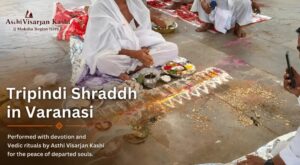
Tripindi Shradh Puja in Varanasi is a sacred Hindu ritual performed for the peace of three generations of ancestors. The word Tri means three, and Pindi means offering pind sacred rice balls to ancestors. This ritual is done for forefathers who are believed to be unsatisfied or stuck in Pret Yoni according to traditional beliefs.
Many families resort to performing the Tripindi Shradh ritual in Varanasi when they are faced with constant issues such as a delay in marriage, disputes within the family, money problems, health issues, or when there is Pitru Dosha in the horoscope. Varanasi is one of the most spiritual cities in India, and any rituals performed there are believed to provide more spiritual benefits.
The Tripindi Shradh ritual in Varanasi is mostly done at the Pishachmochan Kund and the sacred ghats of the Ganga River.
Tripindi Subh Muhurat 2026
Tripindi Shradh in Varanasi can be performed at any time of the year if there is a genuine need. However, some dates are considered more auspicious.
Amavasya Dates in 2026 Useful for Tripindi
17 January 2026
15 February 2026
16 March 2026
14 April 2026
14 May 2026
13 June 2026
12 July 2026
10 August 2026
9 September 2026
14 October 2026 (Sarva Pitru Amavasya – Most Important)
12 November 2026
11 December 2026
Spiritual Meaning and Importance of Tripindi Shradh in Varanasi
Tripindi Shradh in Varanasi is conducted to provide peace to three generations of ancestors, including father, grandfather, and great-grandfather. In some sects, the maternal lineage is also taken into account.
As per religious texts, if the Shradh rituals are not conducted properly for the ancestors, their souls may not attain peace. This spiritual imbalance is said to cause hurdles for the family. Tripindi Shradh in Varanasi assists in fulfilling this obligation for ancestors.
This ritual is not conducted out of fear. It is conducted out of a sense of responsibility and tradition. By conducting Tripindi Shradh in Varanasi, families seek peace, pardon, and blessings from their ancestors.
Tripindi Shradh in Varanasi at Pishach Mochan Kund
Pishachmochan Kund is one of the most sacred spots in Varanasi where Tripindi Shradh is done with utmost spiritual significance. It is believed that this sacred spot has the ability to remove Pret Dosh, Pitru Dosh, and ancestral karma imbalances. For many years, people have been visiting this spot to perform rituals to calm the souls of their ancestors who are believed to be restless and dissatisfied.
Pishachmochan is a sacred spot in Hindu mythology and Kashi’s tradition, which is believed to free the souls of people who died prematurely, or due to unfulfilled desires, or due to improper last rites. The term Pishachmochan” itself translates to liberation from negative or restless entities. It is because of this spiritual significance that Tripindi Shradh done at this spot is believed to be extremely effective for
Basic Ritual Process
The general steps of Tripindi Shradh in Varanasi at Pishachmochan include:
Sankalp (taking a formal vow with name and gotra)
Preparation of three pind offerings
Chanting of Vedic mantras
Tarpan (offering water with black sesame seeds)
Final prayer for peace and liberation
The ritual usually takes a few hours and is done under proper guidance.
Tripindi Shradh in Varanasi at the Sacred Ganga Ghats
The Tripindi Shradh in Varanasi, at the Ganga Ghats, is of immense religious and spiritual importance in Hinduism. Varanasi, also known as Kashi, is one of the most sacred cities in India, and the Ganga River is known as the most sacred and purifying river. When two such spiritual elements come together, performing ancestral rituals there is believed to have the most spiritual significance.
The Tripindi Shradh is a unique ritual performed to calm the disturbed or unsettled spirits of ancestors and to counter the ill effects of Pitru Dosha. It is a traditional Hindu belief that if the Shradh rituals are not performed properly after death, the spirits may remain disturbed. The performance of the Tripindi Shradh at the banks of the holy Ganga is believed to be extremely fruitful in calming, satisfying, and spiritually uplifting the ancestors.
The ever-flowing waters of the Ganga represent the process of purification and liberation. In Hindu scriptures, the offering of pind (rice balls) and tarpan (water offerings) in the sacred rivers is described as the most efficacious method of satisfying and sustaining the departed souls. The ever-flowing nature of the river represents the release of the karmic bondage and attachment, which helps
Pitru Dosha and Tripindi Shradh in Varanasi
Pitru Dosha in astrology is said to be the reason for life problems that keep occurring. Some common symptoms of this dosha include
Marriage delayed
Issues with children
Unstable finances
Unending conflicts in the family
Illnesses without any reason
In such cases, the priests might advise performing Tripindi Shradh in Varanasi. But it should always be performed after consultation and not out of fear.
Difference Between Narayan Bali and Tripindi Shradh
Narayan Bali and Tripindi Shradh are both significant ancestral rituals in Hinduism, but the objective and usage are different. Though both rituals are conducted for the peace of the departed souls and the elimination of Pitru Dosha, they are advised in different contexts and with different processes.
Narayan Bali Puja is usually conducted in instances of untimely or unnatural deaths in the family. This includes deaths due to accidents, suicides, sudden illnesses, violence, drowning, or any other situation where the life was cut short unexpectedly. It is believed that in such deaths, the departed soul may be left agitated since the normal life cycle and funeral rituals were interrupted. The primary objective of Narayan Bali Puja is to give the departed soul a sense of completion of the funeral rituals and to liberate it. The process is quite elaborate and involves the construction of a symbolic form of the deceased, accompanied by certain Vedic mantras and offerings.
Who Should Perform Tripindi Shradh in Varanasi?
This ritual is recommended for families facing continuous obstacles such as delay in marriage, repeated financial problems, health issues, or lack of stability. It is especially advised when regular annual Shradh was not performed for three generations.
Basic Tripindi Shradh Package (₹3,000 – ₹6,000)
This typically includes:
One experienced priest
Basic puja samagri (rice, sesame, barley, ghee, etc.)
Sankalp and pind daan ritual
Tarpan at ghat or kund
This is suitable for families looking for a simple and traditional ceremony.
Standard Package (₹7,000 – ₹12,000)
Usually includes
1–2 priests
Complete puja materials
Pind daan + additional mantras
Brahmin bhojan or dakshinaProper ritual at Pishach Mochan or Ganga Ghat
Most families prefer this option for a more detailed ceremony.
Premium / Detailed Ritual (₹12,000 – ₹20,000+)
This may include:
Multiple priests
Hawan (fire ritual)
Extended Vedic chanting
Full Brahmin bhojan arrangement
Complete assistance and documentation
Costs increase during Pitru Paksha due to high demand.
Factors That Affect Cost
Location of ritual (Ghat or specific sacred kund)Number of family members participatingInclusion of hawan and bhojanSeason (Pitru Paksha is peak time)Reputation and experience of the priest
Conclusion
Narayan Bali and Tripindi Shradh are both significant ancestral rituals in Hinduism, but the objective and usage are different Though both rituals are conducted for the peace of the departed souls and the elimination of Pitru Dosha, they are advised in different contexts and with different processes
Narayan Bali Puja is usually conducted in instances of untimely or unnatural deaths in the family This includes deaths due to accidents, suicides, sudden illnesses, violence, drowning, or any other situation where the life was cut short unexpectedly. It is believed that in such deaths, the departed soul may be left agitated since the normal life cycle and funeral rituals were interrupted. The primary objective of Narayan Bali Puja is to give the departed soul a sense of completion of the funeral rituals and to liberate it. The process is quite elaborate and involves the construction of a symbolic form of the deceased, accompanied by certain Vedic mantras and offerings.
Frequently Asked Questions (FAQ)
What is Tripindi Shradh in Varanasi?
Tripindi Shradh in Varanasi is a Vedic ritual performed for three generations of ancestors. It includes offering three pind (rice balls) and performing tarpan to give peace to unsatisfied souls and reduce Pitru Dosha effects.
Who should perform Tripindi Shradh in Varanasi?
People facing repeated problems like delay in marriage, family disputes, financial instability, or those who have Pitru Dosha in their horoscope may perform Tripindi Shradh in Varanasi after proper consultation with a priest.
Where is Tripindi Shradh in Varanasi usually performed?
Tripindi Shradh in Varanasi is mainly performed at Pishachmochan Kund and at the holy ghats of the Ganga River. Pishachmochan is especially famous for ancestral rituals and Pitru Dosha remedies
Can Tripindi Shradh in Varanasi be done anytime?
Yes, Tripindi Shradh in Varanasi can be performed at any time if there is a genuine need. However, Pitru Paksha, Amavasya, and certain Ekadashi dates are considered more auspicious.
How long does Tripindi Shradh in Varanasi take?
The ritual usually takes a few hours, depending on the procedure and tradition followed. It includes sankalp, pind preparation, mantra chanting, tarpan, and final prayers.
What is the difference between Narayan Bali and Tripindi Shradh in Varanasi?
Narayan Bali is generally performed in cases of unnatural or sudden death. Tripindi Shradh in Varanasi is mainly done to offer peace to three generations of ancestors and to reduce Pitru Dosha effects.
How long does Tripindi Shradh Puja take?
The puja usually takes 3 to 4 hours depending on rituals, location, and priest traditions. In some cases, it may take half a day.
Where is Tripindi Shradh Puja commonly performed?
Tripindi Shradh Puja is commonly performed at sacred places like Varanasi, Gaya, Prayagraj, Nashik, or other holy river banks. Performing it at a spiritual place is considered more effective.
Can Tripindi Shradh Puja be performed at any time of the year?
Yes, it can be performed throughout the year on suitable dates. However, Pitru Paksha, Amavasya, and certain auspicious days are considered more spiritually effective. A priest can guide the correct date.
Is fasting necessary during Tripindi Shradh Puja?
In many traditions, the person performing the puja observes fasting or eats simple sattvic food before the ritual. However, the exact rule may vary according to regional customs and priest guidance.
Is Tripindi Shradh Puja connected to Pitra Dosh?
Yes, it is commonly performed when Pitra Dosh is indicated in a horoscope or when a family experiences repeated unexplained obstacles. The puja is believed to reduce ancestral imbalance and karmic burdens.