
Booking Enquiry
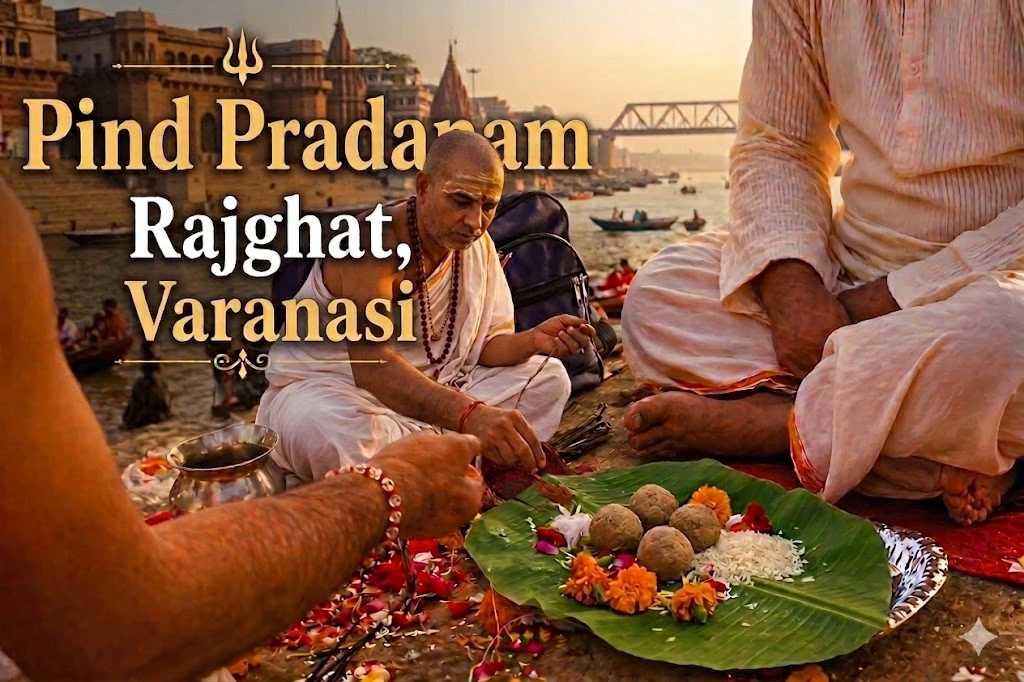
Pitru Paksha is a special time in the Hindu calendar when people remember and honor their ancestors. During these days, the ritual of Pind Pradan is performed with devotion. Pind is a round offering made with rice, flour, black sesame seeds, and ghee. It is offered to the departed souls with prayers for their peace and salvation.
The main benefit of doing Pind Pradan in Pitru Paksha is that it helps the souls of our ancestors find peace and move forward in the spiritual journey. When the ancestors are satisfied, they bless the family with happiness, prosperity, and protection from difficulties.
It is also believed that by performing Pind Pradan, the burden of Pitru Dosha (ancestral imbalance) is removed. This brings harmony in family life, progress in career, and better health.
Many people perform this ritual in holy places like Kashi, Gaya, or Prayagraj, where it is said to be most effective. Doing this act of gratitude connects us with our roots and shows respect to those who gave us life.
In simple words, Pitru Paksha Pind Pradan is a way to give peace to ancestors and receive their endless blessings.
Kashi Best for Pitrupaksh
Kashi, also known as Varanasi, is considered the most sacred place for performing Pitru Paksha rituals. According to Hindu scriptures, Kashi is the city of Lord Shiva, and it is believed that any ritual performed here directly reaches the ancestors and grants them peace and liberation. During Pitru Paksha, thousands of devotees come to Kashi to perform Pind Pradan and Shradh on the banks of the holy river Ganga.
The spiritual energy of Kashi, combined with the presence of learned priests and the flow of the Ganga, makes the rituals more powerful and effective. Performing Pind Daan here is said to remove Pitru Dosha and bring blessings of prosperity, health, and harmony in life.
That is why Kashi is known as the best and most sacred destination for Pitru Paksha rituals, connecting families with their ancestors in the truest spiritual way.
Best Service for Pind Daan in Varanasi
Varanasi is one of the holiest cities in Hindu tradition and is widely known as the spiritual capital of India. For thousands of years, devotees have traveled to this sacred city to perform religious rituals connected with ancestors. Among these rituals, Pind Daan is considered extremely important because it is performed for the peace and spiritual progress of departed souls. Families believe that offering pind and prayers on the banks of the holy Ganga helps ancestors attain peace and spiritual liberation.
Because the ritual has deep spiritual significance, many families prefer to perform it with the help of experienced priests who understand the traditional procedures. Choosing the best service for Pind Daan in Varanasi helps ensure that every step of the ritual is performed properly according to Vedic traditions.
Spiritual Importance of Pind Daan in Varanasi
According to Hindu belief, Kashi is the city of Lord Shiva and is considered a sacred gateway for spiritual liberation. Performing ancestral rituals here is believed to provide special blessings to departed souls. When families perform Pind Daan on the banks of the Ganga, they offer pind made from rice flour, barley flour, sesame seeds, honey, and ghee. These offerings symbolize food for ancestors and are accompanied by sacred mantras chanted by the priest.
Many people believe that the spiritual environment of Varanasi, along with the holy river Ganga, makes the ritual especially powerful. The ceremony not only honors ancestors but also strengthens the spiritual connection between generations.
Professional Guidance for Ancestral Rituals
Performing Pind Daan involves several steps, including purification rituals, mantra chanting, pind preparation, and final prayers. Families who are visiting Varanasi for the first time may not know the complete procedure. Professional ritual services provide experienced pandits who guide the family through every stage of the ceremony.
These services usually arrange all the necessary materials required for the ritual such as flowers, sacred leaves, sesame seeds, and ritual vessels. This makes the ceremony easier for families and allows them to focus on prayer and remembrance rather than logistics.
Families who want to understand priest arrangements and ritual guidance can also read about the process and costs through this resource
Asthi Visarjan Pandit Charges in Varanasi, which explains how traditional rituals are organized by experienced priests.
Experienced Pandits in Varanasi
Varanasi has a long tradition of priests who specialize in ancestral rituals such as Pind Daan, Shraddha, and Asthi Visarjan. Many of these priests belong to families that have performed rituals on the ghats of the Ganga for generations. Their experience ensures that the ceremony is performed with accuracy and devotion according to traditional scriptures.
During the ritual, the pandit guides the family through the entire process including mantra recitation, pind preparation, and offering prayers to ancestors. The presence of an experienced priest helps ensure that the ceremony is completed correctly and respectfully.
Sacred Ghats for Pind Daan Ritual
The ghats of Varanasi are famous for their religious and spiritual importance. Many of these ghats are used for performing rituals connected with life, death, and ancestral remembrance. Some of the commonly used ghats for Pind Daan include Manikarnika Ghat, Harishchandra Ghat, Dashashwamedh Ghat, and Raj Ghat.
These ghats are located along the sacred Ganga river and have been used for spiritual ceremonies for centuries. The peaceful atmosphere and sacred environment of these ghats make them ideal places for offering prayers for departed ancestors.
For people planning to perform the ritual in Kashi, detailed information about the complete ritual process can be found here
Pind Daan in Varanasi Ritual Guide.
Complete Arrangement for Pind Daan Ceremony
Professional Pind Daan services in Varanasi often provide complete arrangements so that families do not face any difficulty during the ceremony. These arrangements include booking experienced priests, preparing puja materials, arranging ritual items, and guiding the family through every step of the ceremony.
Such organized services are especially helpful for families visiting from different cities or countries. With proper arrangements, the ritual can be performed smoothly and with full spiritual focus.
More information about traditional services and ritual arrangements in Varanasi can be explored through this page
Online Pind Daan and Asthi Visarjan Services, which provides guidance for families planning ancestral rituals.
Importance of Proper Ritual Materials
The ritual requires specific sacred materials including rice flour, barley flour, black sesame seeds, honey, ghee, flowers, and holy Ganga water. These items are used to prepare the pind offerings and are considered essential for completing the ceremony properly.
Experienced priests ensure that each of these items is used according to traditional guidelines. This helps maintain the authenticity of the ritual and ensures that the ceremony is performed with respect and devotion.
People interested in learning about priest services and arrangements related to last-rite rituals can also review
Pandit Charges and Ritual Arrangements in Varanasi for additional understanding of how such ceremonies are organized.
Why Many Families Prefer Varanasi for Ancestral Rituals
Varanasi has a unique spiritual atmosphere that attracts devotees from across India and around the world. The presence of the sacred Ganga, ancient temples, and centuries-old ritual traditions make the city an important destination for performing ancestral ceremonies.
For many families, performing Pind Daan in Varanasi is not only a religious duty but also a deeply emotional experience. It allows them to honor their ancestors, pray for their spiritual peace, and connect with a long-standing cultural tradition that has been followed for generations.
Conclusion
Pind Daan in Varanasi is a deeply meaningful ritual that reflects the Hindu tradition of honoring ancestors and praying for their spiritual peace. By offering prayers, sacred mantras, and ritual offerings on the banks of the holy Ganga, families fulfill their spiritual responsibility toward their forefathers. The ceremony not only represents remembrance and respect but also strengthens the spiritual bond between generations.
In the ritual, special offerings called pind are prepared using rice, sesame seeds, and other sacred ingredients. These offerings symbolize nourishment and respect for departed souls and form the central part of the ceremony. Those who wish to understand the meaning and significance of these ritual offerings can learn more about the traditional concept of pind here
Pinda (Rice Ball), which explains how these offerings are used in Hindu ancestral rituals.
For many families, performing this sacred ritual in Varanasi becomes a moment of devotion, remembrance, and spiritual connection. With the guidance of experienced priests and the sacred atmosphere of Kashi, the Pind Daan ceremony becomes a powerful way to pray for the peace and liberation of ancestors while preserving an important cultural and religious tradition.
1. What is Pind Daan and why is it performed in Varanasi?
Pind Daan is a sacred Hindu ritual in which offerings made from rice, sesame seeds, and holy water are presented to ancestors. The ritual is performed to honor departed family members and pray for the peace of their souls. According to traditional beliefs, the offerings called “pind” symbolize food for ancestors and are offered with prayers and Vedic mantras. The ceremony is believed to help the departed soul attain spiritual peace and move toward liberation. :contentReference[oaicite:0]{index=0}
2. Why do many families choose Varanasi for Pind Daan rituals?
Varanasi is considered one of the holiest cities in Hindu tradition and has been a spiritual center for centuries. The presence of the sacred Ganga river and ancient temples makes the city an important place for performing ancestral rituals. Many devotees believe that performing Pind Daan on the banks of the Ganga in Kashi provides greater spiritual benefit and helps ancestors attain peace and blessings for the family. :contentReference[oaicite:1]{index=1}
3. Who usually performs Pind Daan in a family?
Traditionally, the ritual is performed by a male member of the family such as a son, grandson, or close relative under the guidance of a knowledgeable priest. The pandit chants sacred mantras and guides the family through the ritual process, ensuring that every step is performed according to traditional Vedic customs. The ceremony reflects gratitude and remembrance for ancestors.
4. What materials are used during the Pind Daan ceremony?
The ritual usually includes rice flour, barley flour, sesame seeds, honey, ghee, and holy Ganga water. These materials are used to prepare pind offerings that are placed on sacred leaves and offered with prayers. Flowers, incense, and ritual vessels are also used during the ceremony to complete the traditional procedure. :contentReference[oaicite:2]{index=2}
5. How long does a typical Pind Daan ritual take in Varanasi?
The time required for the ritual may vary depending on the tradition followed and the number of ancestors being honored. In most cases, the ceremony takes between one and two hours. During this time the priest performs purification rituals, prepares pind offerings, chants sacred mantras, and guides the family through the final prayers dedicated to their ancestors.
6. Can Pind Daan be performed at any time of the year?
Yes, Pind Daan can be performed throughout the year. However, many families choose to perform it during the sacred period known as Pitru Paksha. This is a 16-day period in the Hindu calendar dedicated to honoring ancestors and offering prayers for their peace and blessings. :contentReference[oaicite:3]{index=3}
7. Which ghats in Varanasi are commonly used for Pind Daan?
Many ghats along the Ganga river are used for ancestral rituals in Varanasi. Some of the well-known places include Manikarnika Ghat, Harishchandra Ghat, Dashashwamedh Ghat, and Panchganga Ghat. These sacred locations have been used for centuries for performing Shraddha rituals, Pind Daan ceremonies, and other spiritual practices. :contentReference[oaicite:4]{index=4}
8. Is it possible for families from abroad to arrange Pind Daan in Varanasi?
Yes, many families living outside India arrange Pind Daan rituals in Varanasi through local priests and service providers. In some cases, the ritual can be performed on behalf of the family while they watch through online video or receive photos and updates. This allows people who cannot travel to still participate in the traditional ceremony.
9. What spiritual benefits are believed to come from performing Pind Daan?
According to Hindu belief, performing Pind Daan helps provide peace to the departed soul and supports its spiritual journey toward liberation. Devotees believe the ritual also removes ancestral obstacles, known as Pitru Dosha, and brings blessings, harmony, and prosperity to the family
10. Is the presence of a priest necessary for the ritual?
Although the family participates actively in the ritual, the presence of an experienced priest is important because he guides the ceremony according to Vedic traditions. The pandit recites mantras, prepares the offerings, and ensures that each step of the ritual follows proper religious procedures.
11. Can Pind Daan be performed along with Asthi Visarjan?
Yes, many families perform both rituals during the same visit to Varanasi. After immersing ashes in the holy Ganga, families often perform Pind Daan and Shraddha ceremonies to pray for the peace and liberation of the departed soul. This combination of rituals is common in many Hindu traditions.
12. Why is the Ganga river important for ancestral rituals?
The Ganga river is considered the holiest river in Hindu belief. Rituals performed on its banks are believed to purify sins and help souls progress spiritually. Because of this sacred significance, many families choose to perform ancestral rituals such as Pind Daan in Varanasi where the holy Ganga flows.
13. Where can families learn more about the Pind Daan ritual process?
Families who want to understand the complete process, steps, and significance of the ceremony can read detailed information here
Pind Daan in Varanasi Ritual. This guide explains how the ritual is performed and why it holds deep spiritual importance in Hindu tradition.